What are chia seeds good for?
6th Dec 2025
They might look small, but each tablespoon gives you fibre, omega-3, protein and polyphenols. I rely on them most days to support my gut and help lower inflammation.
Key points
What nutrients do you get from chia seeds?
Chia (Salvia hispanica) is a flowering plant from the mint family, originally grown in Mexico and Guatemala, where the seeds were a staple food. Today we know why. They’re incredibly nutrient-dense for their size.
They’re a source of:
• Protein – around 5 g in 2 tablespoons
• Soluble and insoluble fibres – roughly 10 g per 2 tablespoons
• Omega-3 fatty acids, particularly α-linolenic acid (ALA)
• Essential minerals like magnesium, manganese and selenium
But that’s not all. They also contain plant polyphenols, especially chlorogenic acid, and flavonoids like myricetin, quercetin and kaempferol. They all play a big role in reducing inflammation and supporting your long-term health.
What are the health benefits of chia seeds?
Thanks to this impressive mix of nutrients, eating chia seeds regularly can help:
- Improve blood sugar control after eating. The soluble fibre absorbs water and forms a gel in your gut, which slows the digestion and absorption of carbohydrates.
- Support digestion and gut health. Chia’s blend of fibres helps prevent constipation and feeds gut microbes that produce short-chain fatty acids like butyrate, which support a strong gut lining.
- Lower inflammation. Thanks to their polyphenols and fibres, eating more than 35 grams a day (around 2 to 3 tablespoons) has been shown to lower CRP, a key marker of inflammation.
- Lower blood pressure. Several human trials show that having around 25 grams a day for more than 10 weeks has positive effects on both systolic and diastolic blood pressure.
- Lower cholesterol. Results for cholesterol are a bit more mixed, but some studies do show lower total cholesterol, especially in people with obesity and type 2 diabetes. Researchers think this happens because the soluble fibre binds to bile acids, which get excreted and eventually pull more cholesterol out of the blood.
... all from a tiny seed doing a little good in the background.
Should you soak them?
You don’t have to, but soaking them can make chia easier to digest and help you absorb more of the nutrients. I usually just soak them for 10 to 15 minutes, or let them soften in overnight oats, chia pudding or smoothies.
And if you’re not used to higher fibre foods, start with a teaspoon and build up slowly.
How can you use chia seeds every day?
I basically add chia or flax to everything I make:
- Seeded crackers with a dip or as a fibre topper for salads
- Bread, scones and even homemade pizza dough, where they just disappear into the mix
- Overnight oats with flax seeds, raw cacao, peanut butter and fresh fruit
- Chia pudding with yoghurt or milk, spices, cacao and fruit
- Smoothies with fruit and veg, peanut butter and yoghurt
They slip into recipes so easily and give you extra fibre and polyphenols without changing the flavour.
References/sources
Overview: PMID: 36655089
Inflammation: PMID: 39703891
Blood pressure: PMID: 39225983
Cholesterol: PMID: 39299654
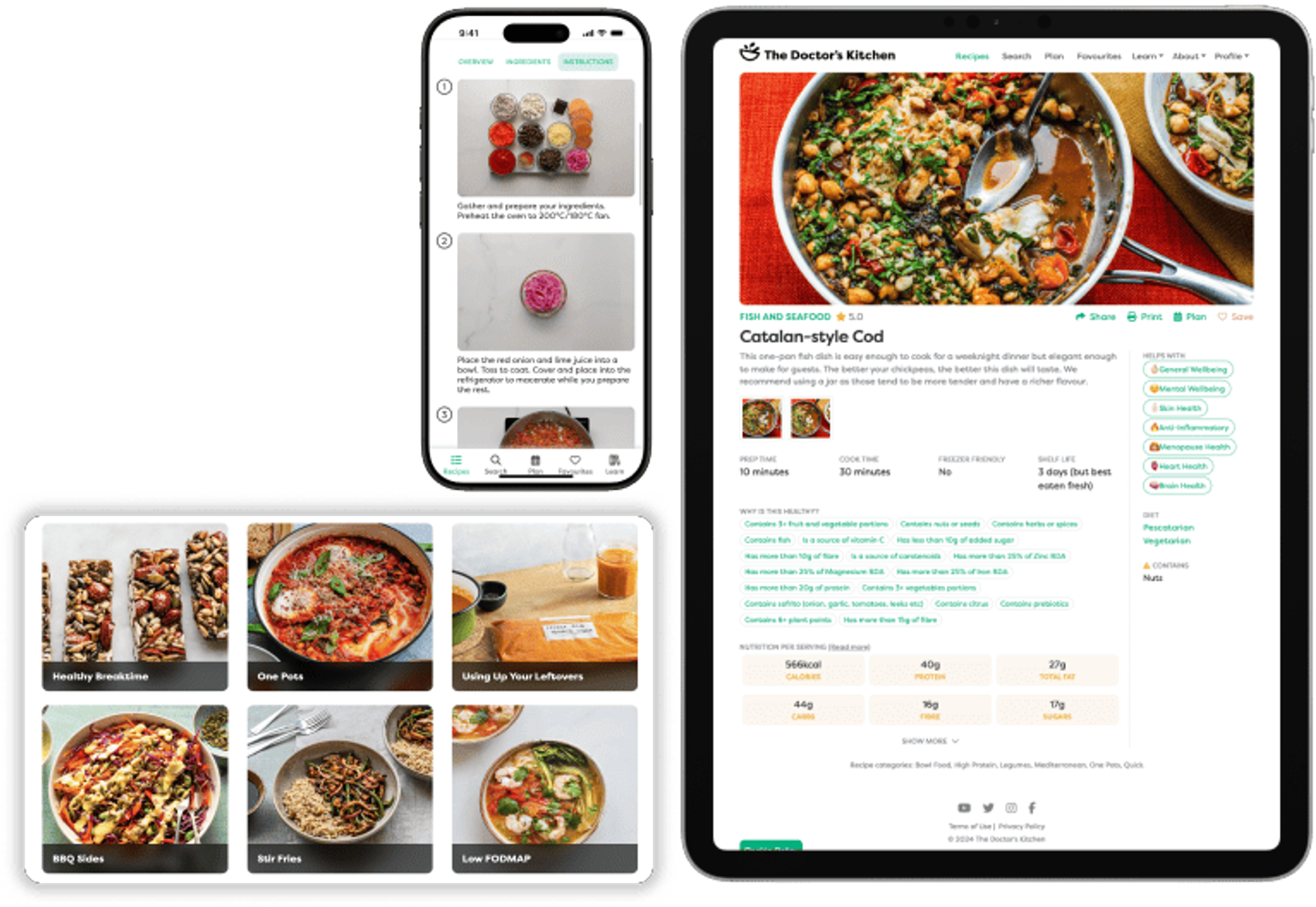
- Access over 1000 research backed recipes
- Personalise food for your unique health needs
Relevant recipes
-
Free!
Ready-to-go Smoothie
-
Free!
Matcha Chia Pudding
-
Free!
Chicken and Radicchio Salad with Pomegranate, Orange and Mint
-
Free!
Cherry and Almond Porridge
-
Free!
Smoky Aubergine, Lentil and Halloumi Traybake
-
Free!
Fig and Hazelnut Chia Pudding
-
Free!
Mediterranean Mackerel and Bean Pasta
-
Free!
Mediterranean Trout and Butter Bean One Pot
-
Free!
Smoky Tempeh, Hummus and Avocado Sandwich
-
Free!
Herby Butter Bean Eggs
Related content
-
Nuts & seedsRead
Flaxseeds: tiny seeds with big health benefits
-
Nuts & seedsRead
Nuts: Benefits & are they linked to weight gain?