Psyllium: A hidden gem for fibre
7th Mar 2025
With its high content of soluble fibre, psyllium may support digestion, blood sugar and cholesterol. We add it to smoothies, porridge and bread.
Key points
What is psyllium?
From tiny seeds
Psyllium comes from Plantago ovata, a small shrub native to India. Each plant produces up to 15,000 tiny seeds with a natural gel-like coating. The husk is separated from the seed through milling, and that’s the part we use for its fibre.
Husk vs powder
If you can’t find it in shops, there are plenty of options online. It comes in two main forms: husk, which is light and flaky, and powder, which is very fine. If you’re using it in a recipe, be sure to weigh it to avoid adding too much. You only need a little, so it lasts a long time!
A long history of use
Psyllium husk has been used for centuries in different cultures as a natural source of fibre. Ayurvedic texts mention it as a remedy for skin irritations, haemorrhoids, constipation and diarrhoea.
Health Benefits
The gel effect: Psyllium's real strength is its fibre content, with over 60% soluble fibre. When mixed with water, it absorbs liquid and swells into a gel-like consistency, which is key to its benefits.
It might help with:
- Digestion: The gel can soften stools to ease constipation or absorb excess water to help with diarrhoea. It also acts as a prebiotic, encouraging the growth of beneficial gut bacteria.
- Lowering cholesterol: Studies suggest that 1 to 2 tablespoons a day might help reduce total and LDL cholesterol by binding to bile acids, helping to remove cholesterol from the body.
- Blood sugar control: The gel slows down the absorption of carbohydrates, which can help prevent sharp rises in blood sugar levels after meals.
- Supporting a healthy weight: By slowing digestion, it can help you feel fuller for longer. Small trials found that 7–15g per day just before meals was linked to noticeable weight loss.
A few things to keep in mind
Psyllium is generally safe but there are a few things to watch out for:
- Medication interactions: It can interfere with how your body absorbs certain medications, like antidepressants, diabetes and cholesterol-lowering medications. If you take any of these, check with your doctor before adding psyllium to your routine.
- Hydration is key: Always take psyllium with a full glass of water and drink plenty throughout the day.
How to use it in food
Psyllium husk might sound like a bit of a niche ingredient, but it’s an easy way to add fibre and improve texture without changing the flavour. You only need a little, so mix it well and give it a bit of time to do its thing.
- Soups & sauces: It acts as a natural thickener, making them smooth and velvety without affecting the taste.
- Smoothies & oats: You can add 1–2 teaspoons, a bit like flax or chia, into your favourite smoothie or oats.
- Baking: It helps bread, muffins and gluten-free bakes stay soft and moist.
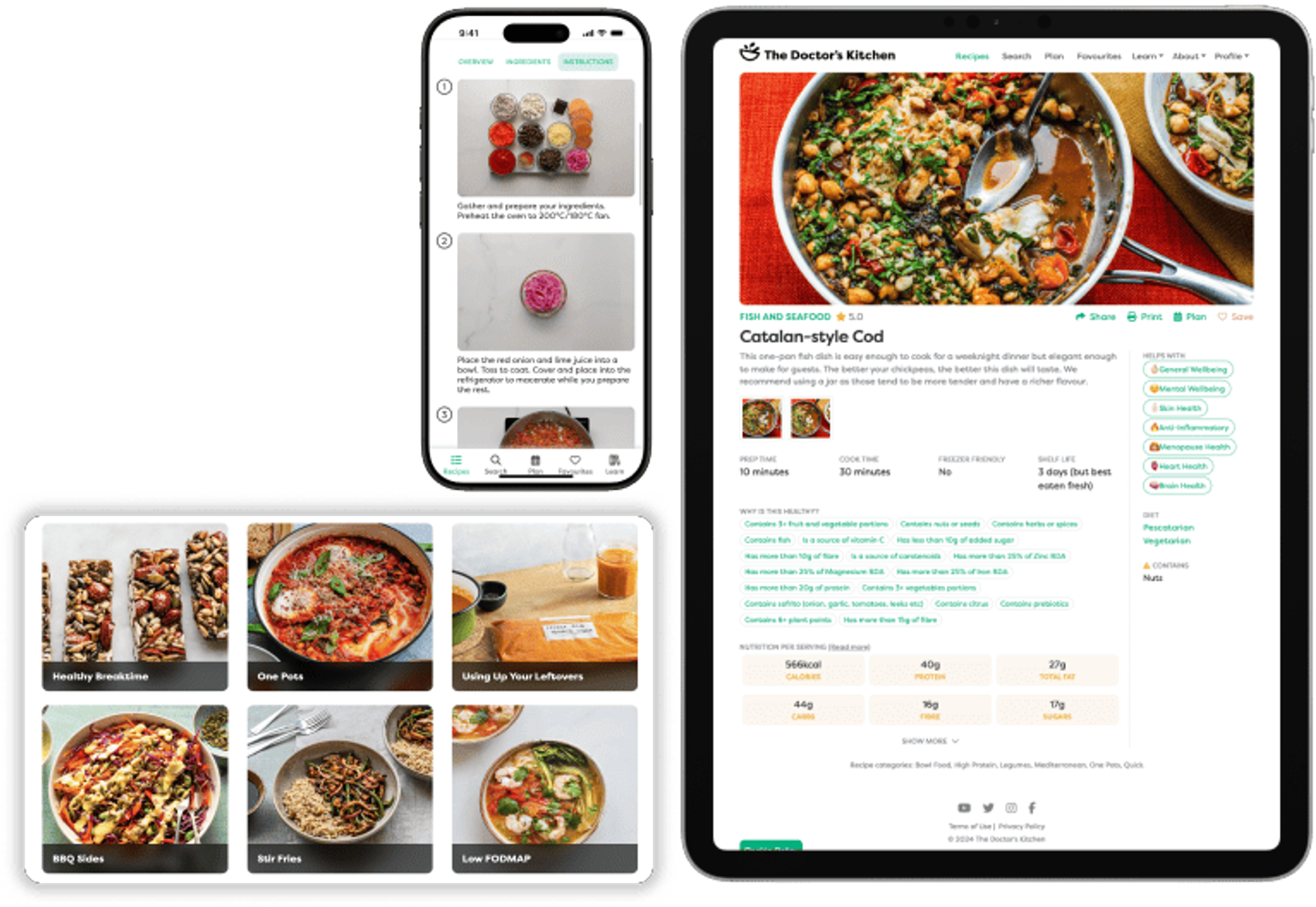
- Access over 1000 research backed recipes
- Personalise food for your unique health needs
Relevant recipes
-
Free!
Cherry and Almond Porridge
-
Free!
Smoky Tempeh, Hummus and Avocado Sandwich
-
Free!
Chicken and Radicchio Salad with Pomegranate, Orange and Mint
-
Free!
Harissa Salmon Bowl with Mango and Avocado Salsa
-
Free!
Smoky Aubergine, Lentil and Halloumi Traybake
-
Free!
Tofu, Spinach and Cashew Curry
-
Free!
Harissa Chicken with Roasted Cauliflower and Lentils
-
Free!
Dr Rupy's Overnight Oats
-
Free!
Tofu, Black Bean and Sweet Potato Traybake
-
Free!
Tempeh Rainbow Salad with Sesame-Ginger Dressing
Related content
-
Gut healthWatch
The high-protein breakfasts I prep in 5 minutes to feel good all morning
-
Gut healthWatch
The high-protein, high-fibre salads I eat for better gut health
-
Gut healthListen
5 signs of low fibre and how to eat 30g a day without getting bloated | Dr Emily Leeming
-
Gut healthListen
4 ways to ease bloating, constipation and improve your gut health beyond diet | Dr Rabia Topan
-
Gut healthListen
7 Health benefits of fibremaxxing and how to build a high fibre diet | Dr Karan Rajan
-
Cooking skillsWatch
3 high-protein lunches I eat every week
-
Gut healthWatch
High-fibre, anti-inflammatory crackers you can eat with everything
-
Gut healthWatch
How to unprocess your diet from breakfast to dinner (for energy, gut health and lower inflammation)
-
Gut healthRead
How to relieve constipation naturally